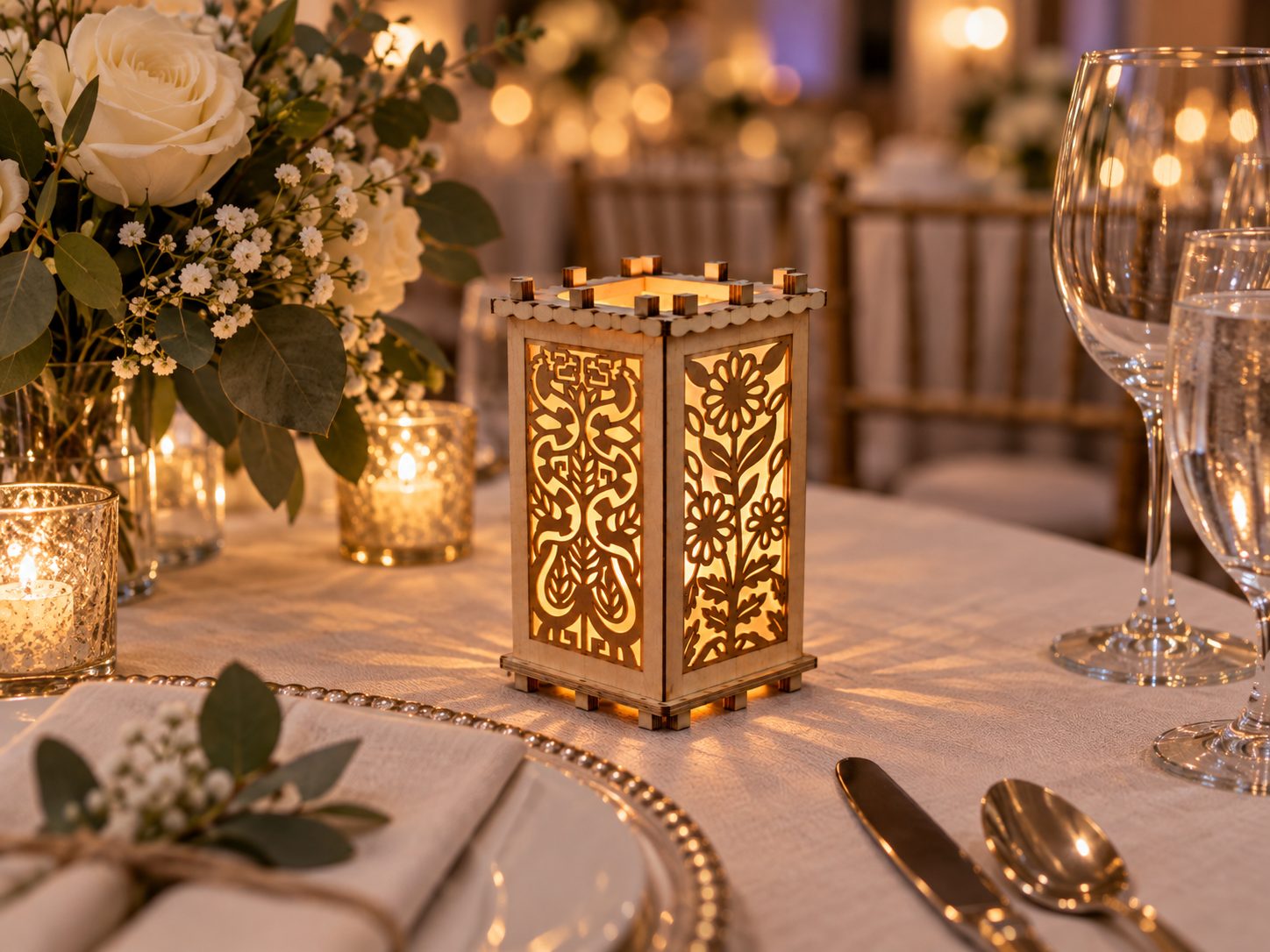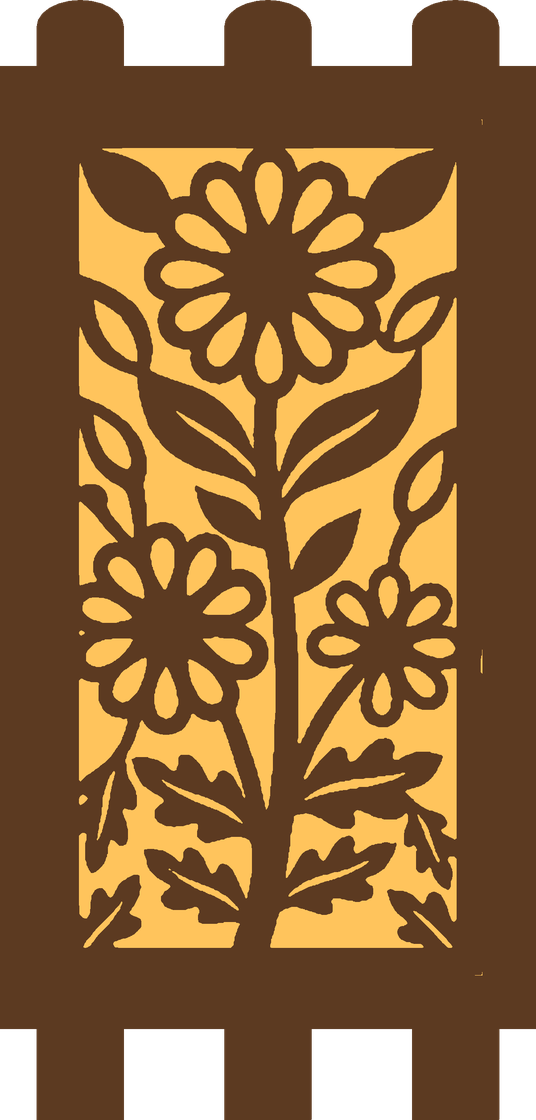
Flowers
Nikte'plumeria
In Maya tradition, the plumeria is the flower of love and beauty. The Songs of Dzitbalché, a collection of old Yucatec Maya songs, include one called Kay Nikte', “the song of the flower”.
In Mexico, flowers fill every celebration, from wedding arches to the marigolds on Día de Muertos altars.
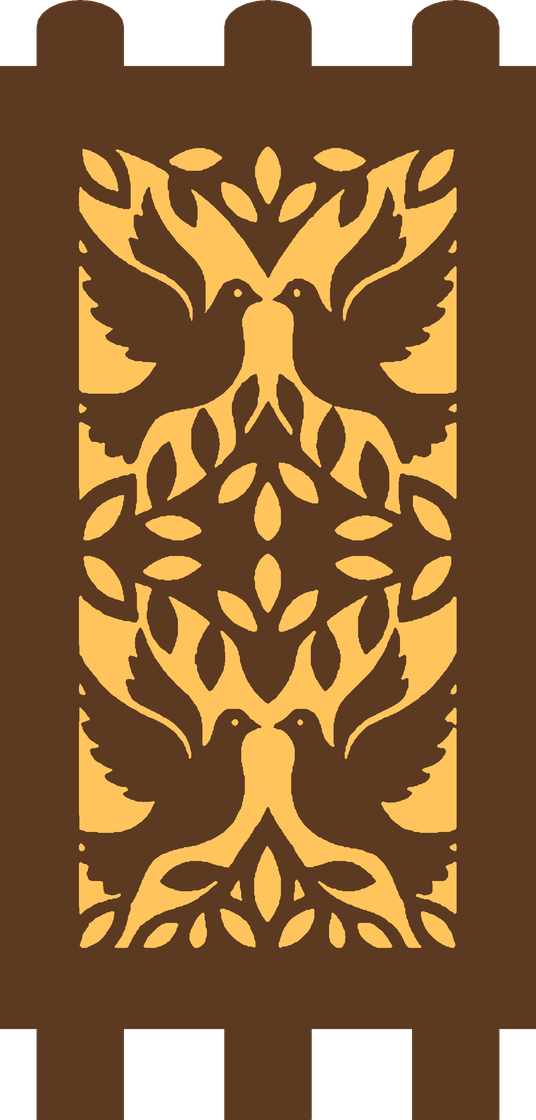
Doves
Mukuysmall dove
The little ground dove of the Yucatán is called mukuy. Doves are not a major figure in ancient Maya art.
In Mexican tradition they stand for love, peace and fidelity, and they are one of the most common designs on wedding papel picado.
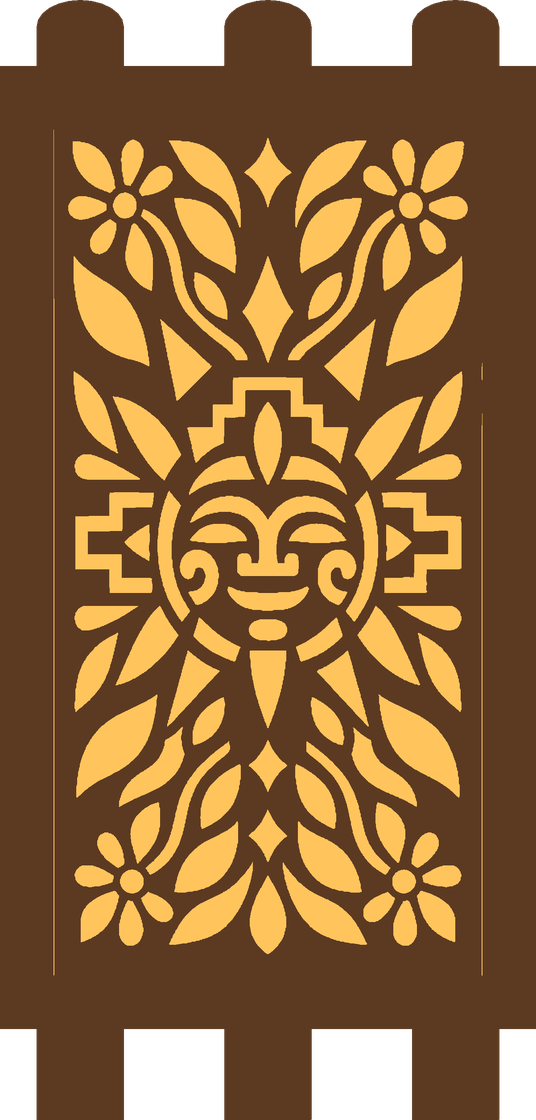
Sun
K'iinsun, day, time
One Maya word means sun, day and time, because the Maya counted time by the sun's daily journey.
The sun god, K'inich Ajaw, was tied to kingship. Rulers took his name as a title, as in K'inich Janaab' Pakal, the great king of Palenque.
Moon
Ujmoon, month
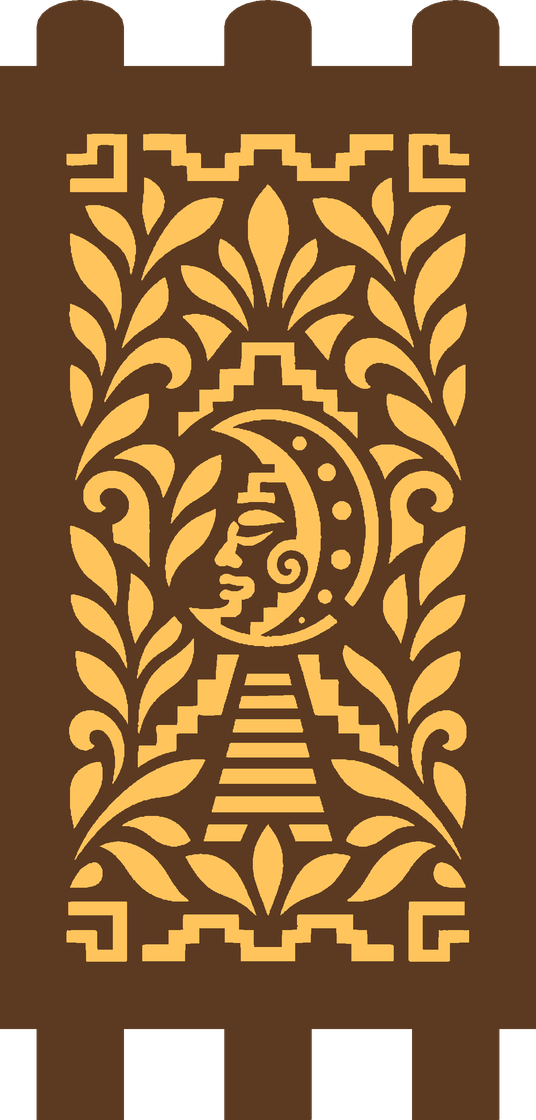
In Maya tradition, the moon is linked to Ixchel, goddess of fertility, childbirth and weaving.
Her most important shrine stood on Cozumel, just south of Cancún. Maya women crossed to the island by canoe to ask for her blessing.
Serpents
Kaanserpent
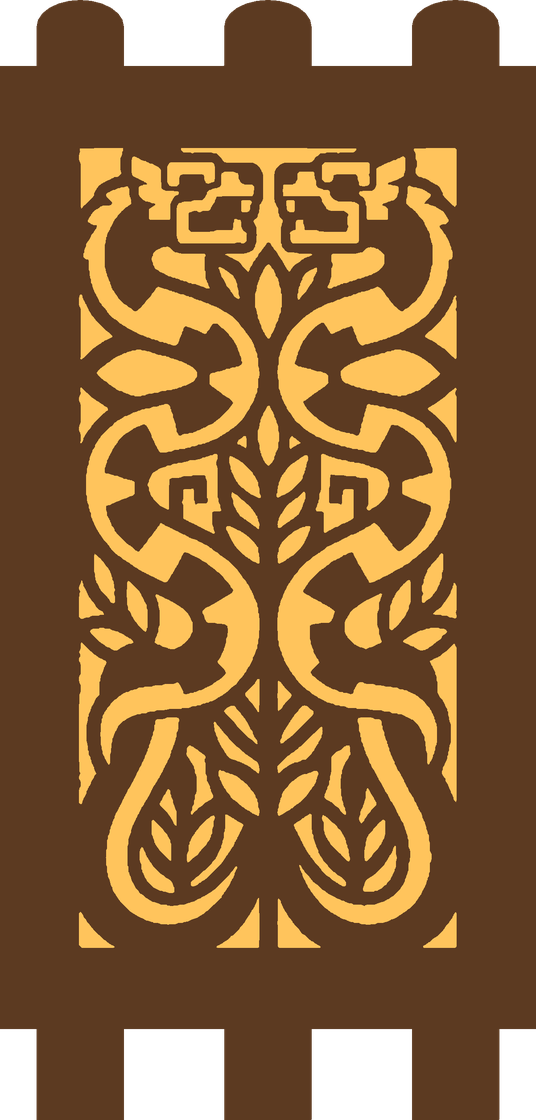
The word for serpent, kaan, sounds almost the same as ka'an, sky, so the snake also stands for the heavens.
In Maya carvings, rulers summon great “vision serpents” whose open jaws bring ancestors and gods into the human world.
Jaguar
B'aalamjaguar
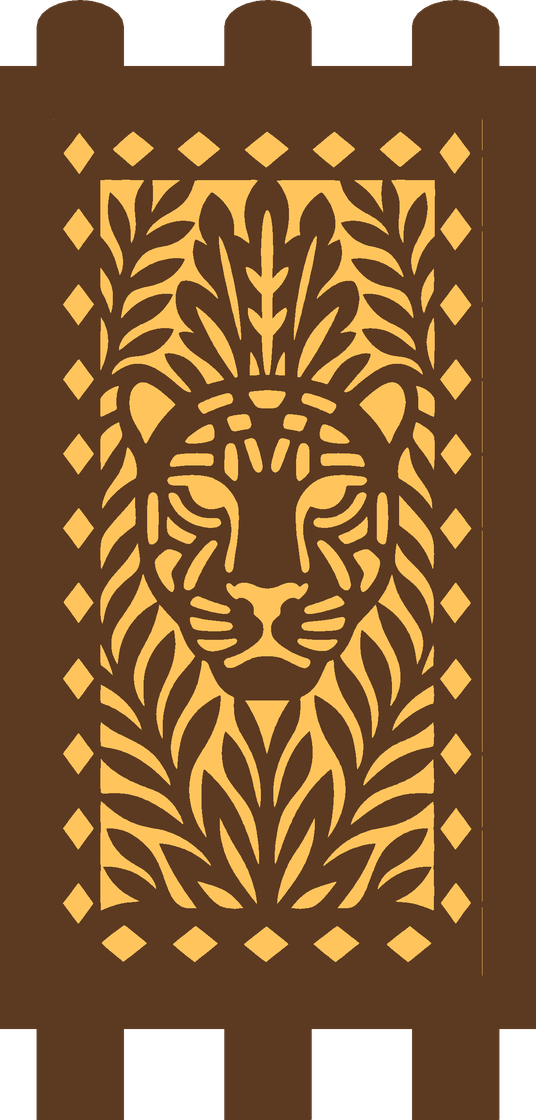
In Maya belief, the jaguar rules the night and the underworld. Ancient kings wore its pelt and sat on jaguar thrones as a sign of power.
The word lives on in the Books of Chilam Balam, “the jaguar prophet”, written in Yucatec Maya after the Spanish conquest.
Pyramid
Mulmound
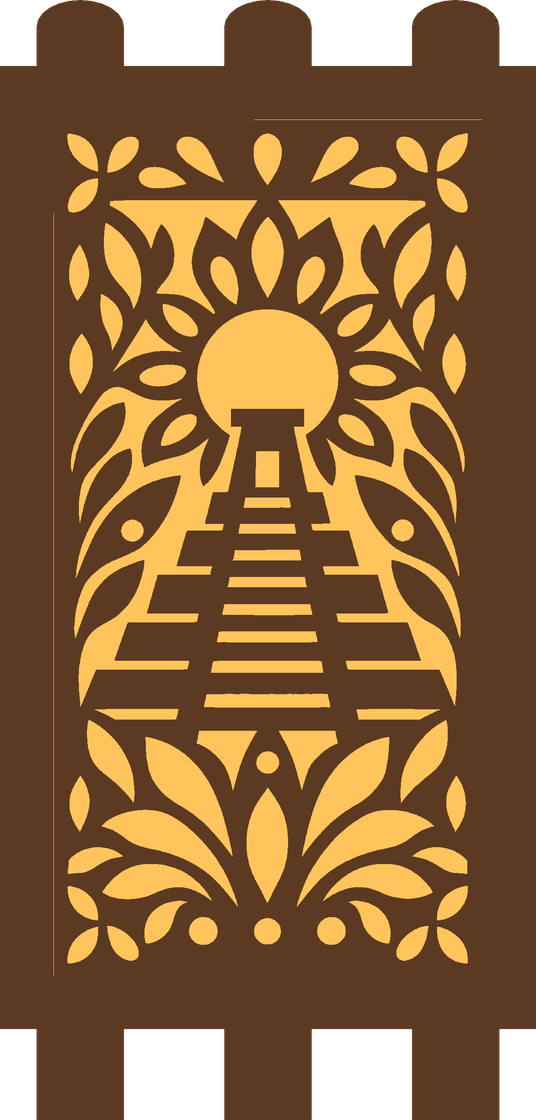
Maya pyramids were built as sacred mountains, linking the earth to the heavens. The tallest at Cobá, near Cancún, is still called Nohoch Mul, “big mound”.
El Castillo at Chichén Itzá has 91 steps on each side. With the top platform, that makes 365, one for each day of the year.
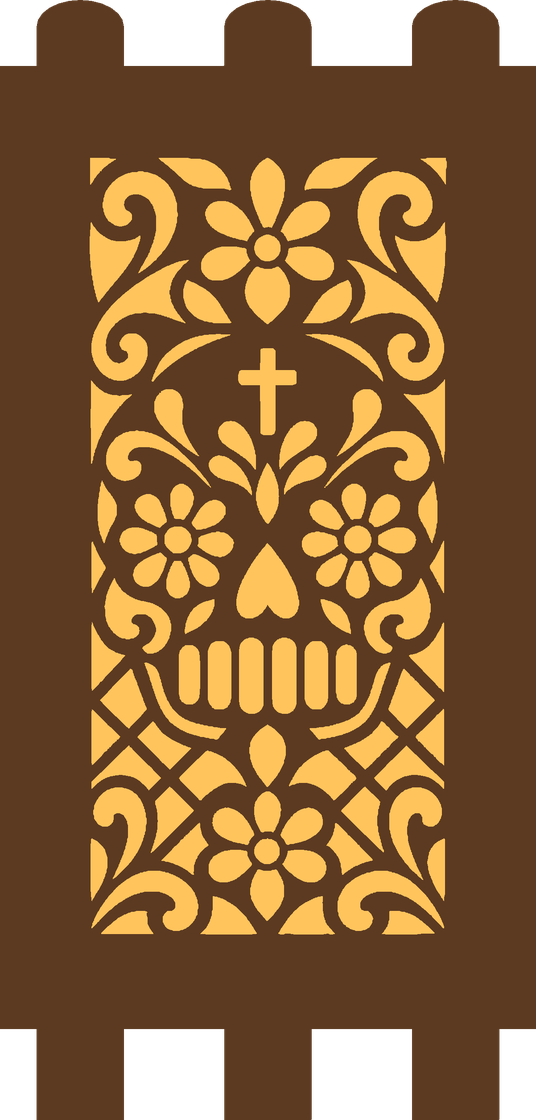
Calavera
Hanal Pixánfood for the souls
Hanal Pixán is the Yucatán's Día de Muertos, held October 31 to November 2. Families set altars with candles, flowers and food to welcome the spirits of relatives home.
The decorated skull, or calavera, is not a symbol of fear or mourning. It honours loved ones who have died and celebrates their lives. Posada's elegant skeleton, La Catrina, is one of Mexico's best-known images.
At a wedding, it remembers those no longer here.
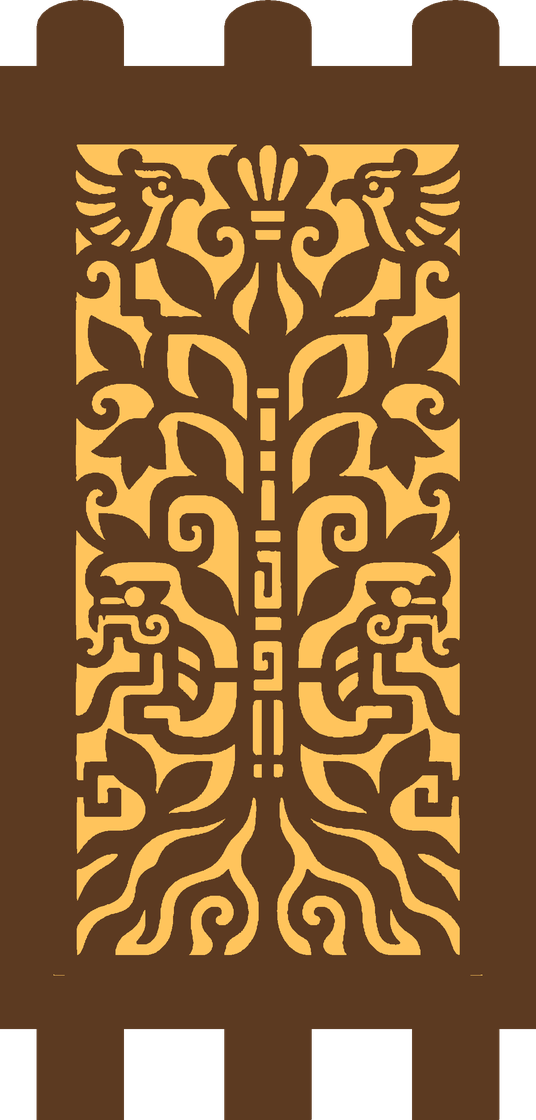
World tree
Yaxche'ceiba, “first tree”
In Maya belief, the ceiba holds up the sky at the centre of the world, with its roots in the underworld and its branches in the heavens.
Farmers often leave a ceiba standing when they clear a field.
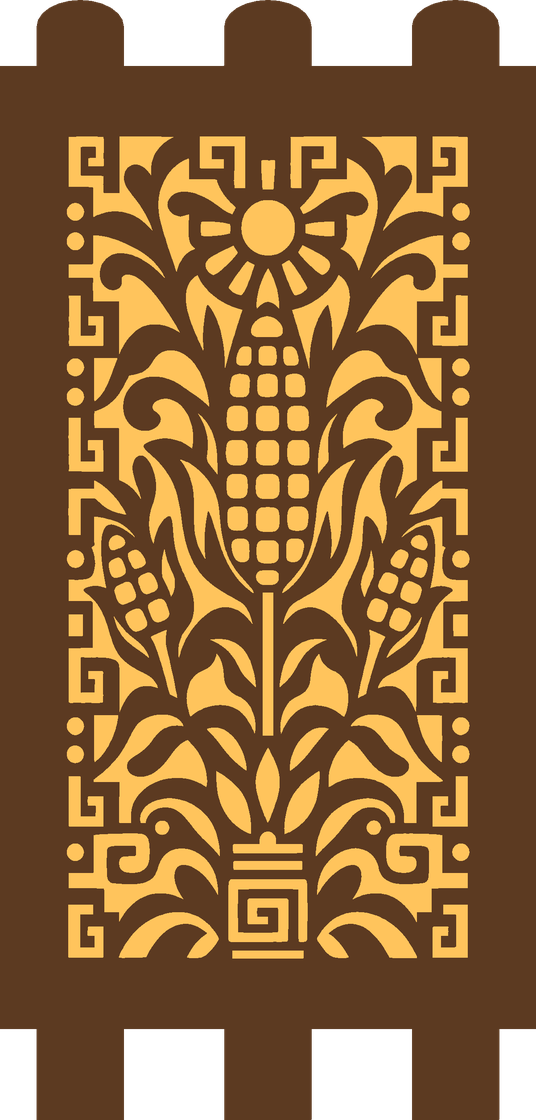
Maize
Ixi'imcorn
In the Popol Vuh, the Maya book of creation, the gods tried to make people from mud, then from wood, and failed. They finally made the first humans from maize dough.
Corn is still the centre of the table across Mexico, from tortillas to tamales.
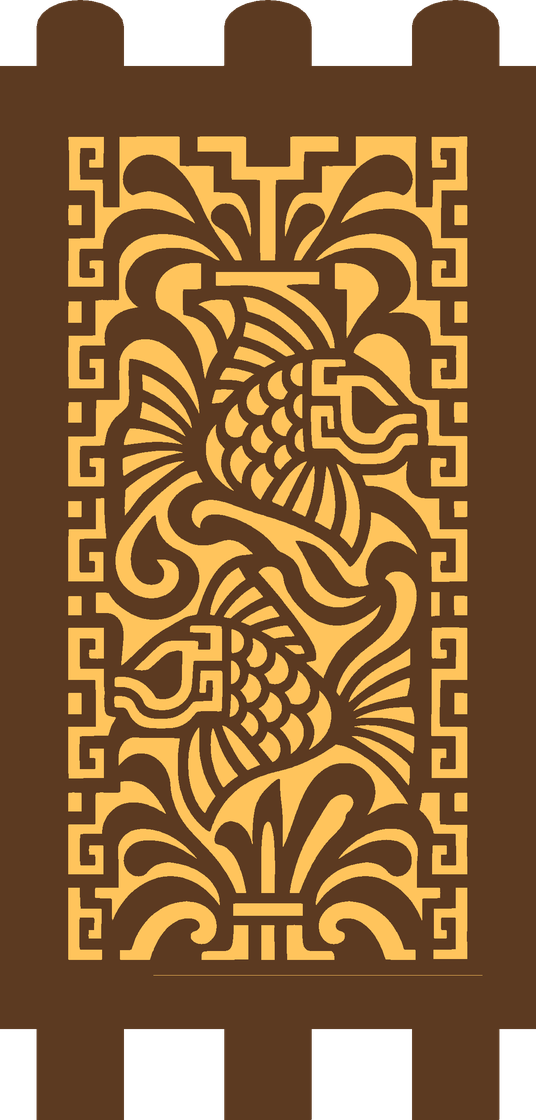
Fish
Kayfish
In the Popol Vuh, the Hero Twins are killed by the lords of the underworld, and their bones are ground and thrown into a river. They come back to life as fish, then return to defeat the lords.
The fish stands for rebirth.
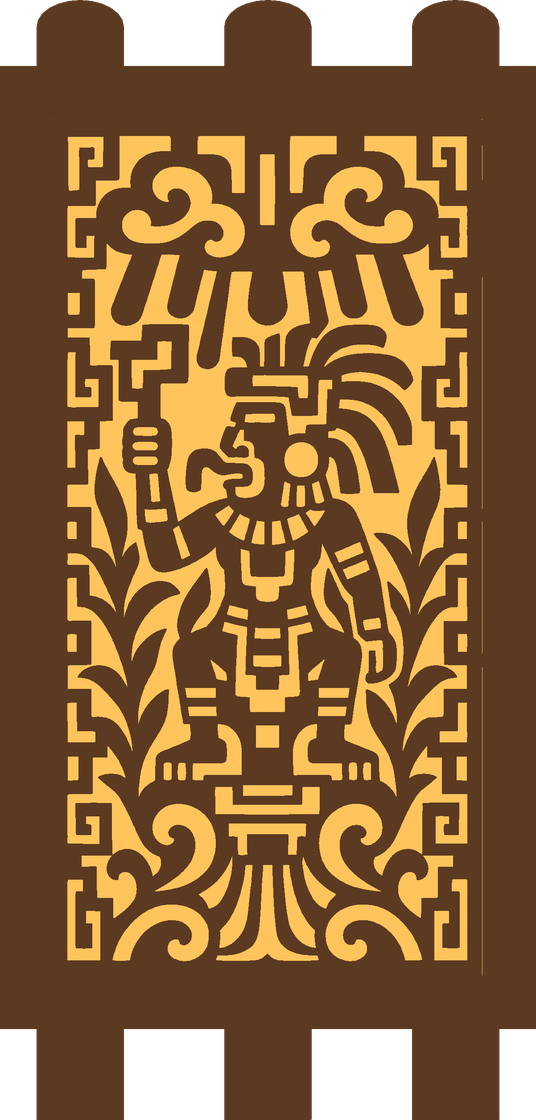
Chaac
Chaakrain god
Chaak brings rain by striking the clouds with his lightning axe. In the Yucatán, which has no rivers above ground, rain decides whether crops live or fail.
His masks cover the temples of Uxmal and Kabah, and farmers still hold the Ch'a Chaak ceremony to ask him for rain.
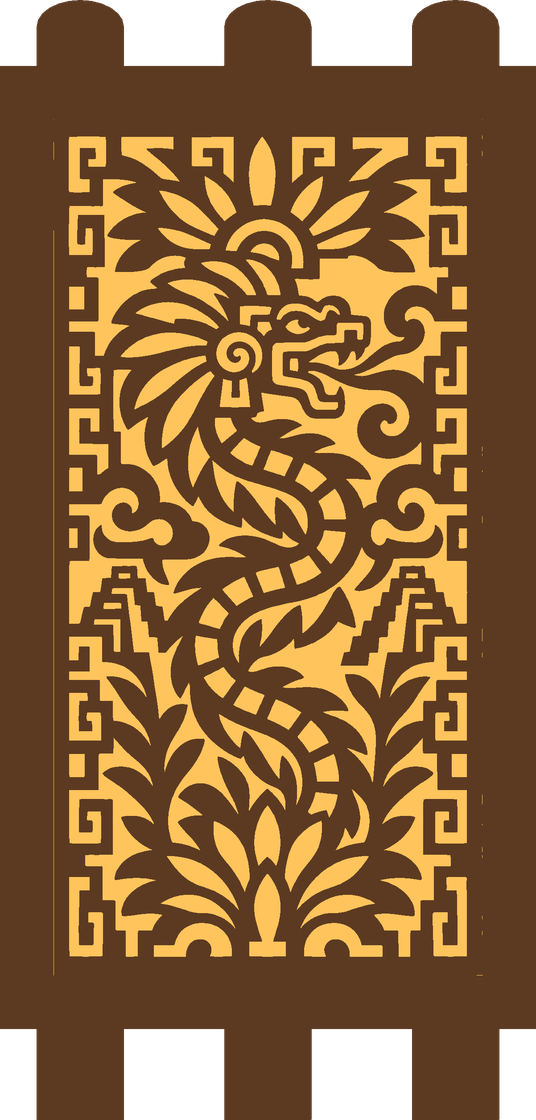
Kukulkán
K'uk'ulkanfeathered serpent
K'uk'ulkan joins the feathers of the quetzal bird with the body of the serpent, uniting sky and earth. The Aztecs knew him as Quetzalcoatl.
At the spring and autumn equinoxes, the late sun casts a serpent of light and shadow down the steps of El Castillo at Chichén Itzá.